
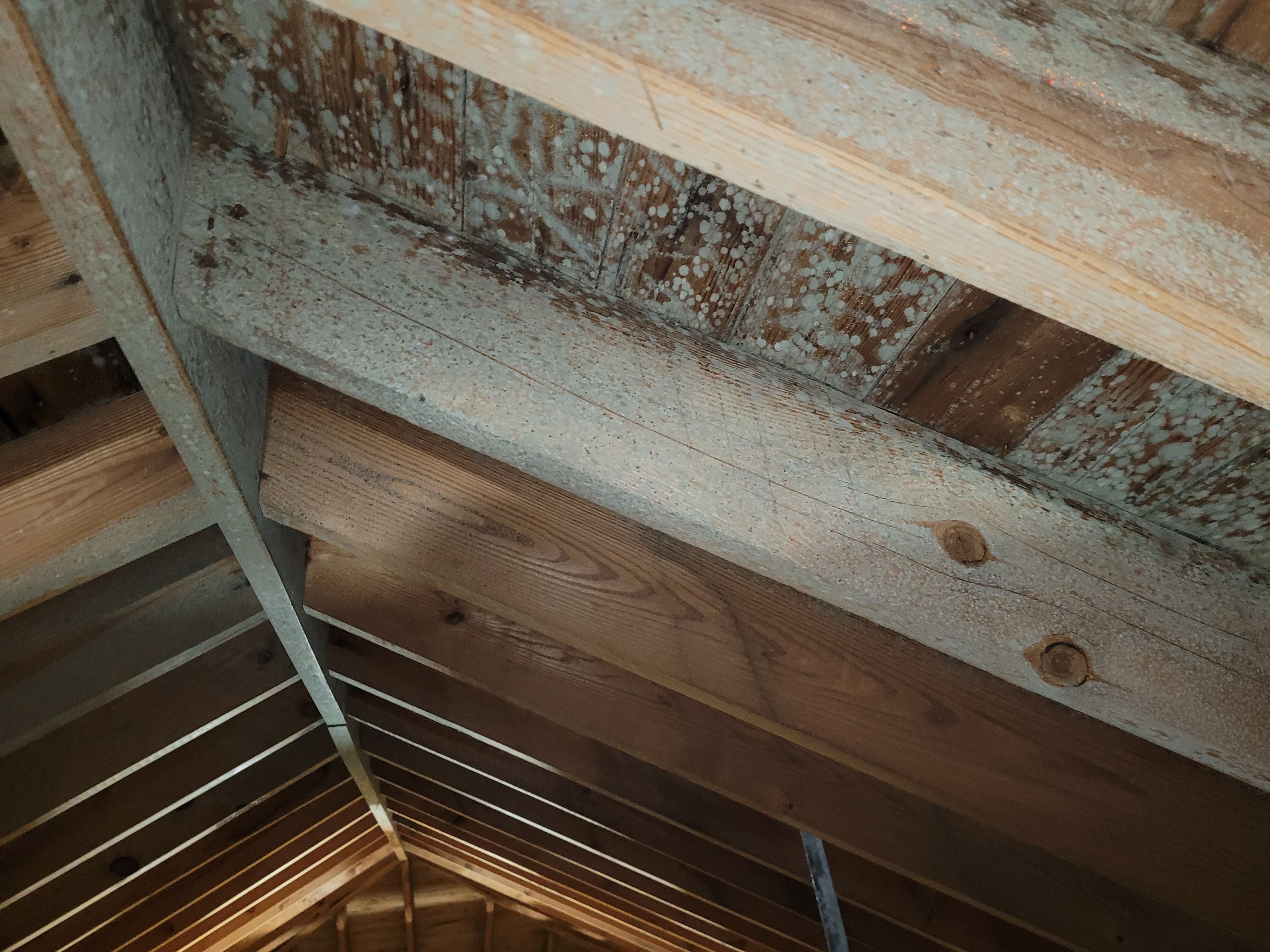
Attic Mold Removal: What Homeowners in Virginia Need to Know
Mold in your attic isn't just an eyesore—it’s a sign that your home’s health and safety may be compromised. For homeowners in Wythe County, Virginia, Mount Airy, North Carolina, and the Princeton and Bluefield areas of West Virginia, attic mold is more common than you might think. Due to the region’s varying seasons and humidity levels, excess moisture can easily take hold in attic spaces, leading to mold infestations that affect both your home and health.
Let’s explore the warning signs, risks, and why attic mold removal is not a DIY project. When you're ready, Astrid Environmental Services is here to help with safe, thorough mold remediation.
Why Mold Grows in the Attic
Attics are especially vulnerable to mold growth because they often trap moist air, especially when attic ventilation is poor or roof leaks go unnoticed. Mold thrives in humid, poorly ventilated areas, particularly when soffit vents are blocked or shingles and roof sheathing have begun to deteriorate.
Common causes of attic mold include:
Warm moist air rising from the living space due to poor air sealing
Exhaust fans that vent into the attic instead of outside
Roof leaks or condensation buildup from high humidity levels
Blocked soffits, ridge vents, or poor airflow between rafters
Warning Signs of Attic Mold
Homeowners might not spot attic mold until it’s advanced, especially if the attic isn’t accessed frequently. Be on the lookout for:
Musty odors in the home
Stains or discoloration on the attic ceiling or insulation
Visible mold including black mold spots or fuzzy white growth on rafters or sheathing
Peeling paint, warped wood, or visible moisture problems
Respiratory issues or allergy symptoms that worsen indoors
If any of these signs are present, schedule an attic mold inspection as soon as possible.
The Risks of Untreated Mold in the Attic
Ignoring mold in the attic can have serious consequences. Over time, it can cause:
Structural damage to your roof sheathing or rafters
Infestations of mold spores that spread to living spaces
Worsening indoor air quality
Serious health problems, especially for those with asthma or respiratory issues
Mold doesn’t stay put—it spreads and gets worse. That’s why it’s critical to address both the root cause (like a moisture issue or lack of ventilation) and the infestation itself with proper mold removal and remediation processes.
Why You Shouldn’t DIY Attic Mold Removal
Removing mold from an attic is not the same as scrubbing a bathroom wall. It involves specialized tools, containment procedures, and safety gear like HEPA vacuums, respirators, and antimicrobial disinfectants—all of which are used by trained mold remediation experts.
DIY methods like bleach, spray bottles, or household cleaners won’t reach deep into the attic insulation or resolve the moisture problem. Worse, disturbing mold without proper protection and containment can send mold spores into the air and throughout your home.
What to Expect from Astrid’s Attic Mold Services
Astrid Environmental Services offers comprehensive attic mold removal for homes in Virginia, North Carolina, and West Virginia. Our services include:
A thorough inspection of the attic space, roof leaks, and ventilation system
Identification of the source of moisture
Safe containment of the affected area
HEPA vacuuming, disinfecting, and application of EPA-registered antimicrobials
Recommendations for air sealing, ventilation improvements, or dehumidifiers to prevent future mold growth
We also serve surrounding areas, including Wythe County, Mount Airy, Princeton, and Bluefield—providing the local expertise needed for homes in humid and variable climates.
Schedule an Attic Mold Inspection Today
If you suspect mold in your attic—or haven’t checked your attic in a while—it’s time to act. Don’t attempt to remove mold yourself. Trust the mold remediation experts at Astrid Environmental Services to make your attic safe.
Contact us today to schedule your attic inspection and take the first step toward protecting your home’s health and structure.