
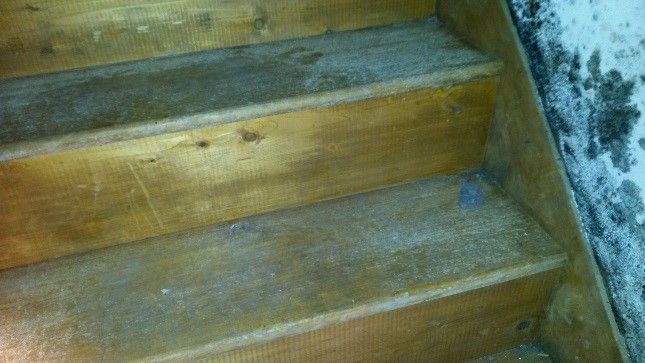
DIY vs. Certified Mold Removal: When to Call the Experts
You spot a patch of mold on the wall and think: How hard could it be to clean this myself?
The problem is that what you can see may be only part of what’s happening. Mold growth can extend behind drywall, beneath carpet, into insulation, or around HVAC systems, and an underlying moisture problem can continue feeding new growth after the visible mold is gone. That’s why certified mold removal starts with understanding the full scope of the problem, not simply cleaning the surface.
At Astrid Environmental Services, we’ve provided residential and commercial mold remediation services since 2012. Before you reach for the bleach or start tearing into a wall, here’s why an expert mold inspection may save you from making a bigger mess.
Can You Remove Mold Yourself?
Small amounts of surface mold may look like an easy DIY project, but visible mold doesn’t tell you how extensive the problem is. When you don’t know what is happening behind or beneath a surface, cleaning what you can see may leave the real problem untouched.
Mold also needs moisture to grow. That means mold cleanup without identifying the source—such as water damage, plumbing leaks, elevated humidity, or another moisture problem—may provide only a temporary cosmetic improvement.
This distinction is important: mold removal addresses existing mold, while mold remediation takes a broader approach by identifying the extent of the problem, removing affected materials when necessary, controlling cross-contamination, and addressing conditions that could contribute to future mold growth.
Why Can DIY Mold Removal Make the Problem Worse?
Disturbing mold-contaminated materials without proper containment can release mold spores and contribute to cross-contamination in other areas of the property.
Imagine finding mold on a section of drywall and cutting it out yourself. If mold growth is also present inside the wall cavity, that demolition can disturb spores that were previously contained. Moving contaminated drywall, carpet, or insulation through the house can create additional opportunities for those spores to spread.
Certified mold remediation is designed to control that risk. Astrid Environmental Services uses containment systems and air filtration devices, or air scrubbers, to isolate affected areas and help prevent mold from spreading during the removal process.
Is Bleach Enough to Kill Mold?
Bleach should not be treated as a complete mold remediation plan. Mold cleanup involves more than changing the appearance of a contaminated surface.
Some porous building materials cannot be effectively cleaned and may need to be safely removed and disposed of. Astrid Environmental Services uses EPA-approved antimicrobial treatments and HEPA vacuuming as part of its mold removal process and evaluates affected materials to determine what can be cleaned and what should be removed.
That distinction matters when mold damage involves materials such as drywall or insulation. A surface that looks cleaner afterward doesn’t necessarily mean the underlying mold or moisture problem has been resolved.
How Do You Know Whether Mold Is Hiding Somewhere Else?
A mold inspection can help determine the extent of mold and moisture damage, including problems that may not be obvious from a quick visual check.
For example, a small discolored area on a wall might be connected to a plumbing leak inside the wall. A musty smell near an HVAC system could warrant investigating areas you can’t easily see. Mold in one part of a basement, attic, or crawlspace may also point to a larger moisture control issue.
Astrid Environmental’s mold inspections examine the interior and exterior of the property to help identify the cause of the mold and determine whether physical property damage is present. Mold testing may also be appropriate when the extent or source of a suspected problem isn’t clear.
What Happens During Certified Mold Removal?
Certified mold removal begins with understanding the problem before deciding how to solve it.
At Astrid Environmental Services, the process can include mold inspection and testing, identifying moisture or water damage, developing a remediation plan, establishing containment, cleaning and disinfecting affected surfaces, safely disposing of materials that cannot be effectively cleaned, and addressing moisture conditions that could allow mold to return.
Depending on the property and situation, mold remediation services may involve specialized tools and methods that simply aren’t part of a typical DIY toolkit.
Equipment used in mold assessment and remediation can include:
Moisture meters to help identify elevated moisture levels
Thermal imaging to investigate areas where hidden moisture may be suspected
HEPA air scrubbers and filtration equipment to help control airborne particles
HEPA vacuuming for removing mold spores
EPA-approved antimicrobial treatments for affected surfaces
In some situations, mold testing or post-remediation testing may also be recommended to provide additional information about indoor air quality or conditions after remediation.
When Should You Call a Certified Mold Removal Expert?
Call an expert when the visible mold may be part of a larger moisture or contamination problem, or when you aren’t sure how extensive the mold growth is.
An inspection is especially worthwhile when:
Mold keeps returning after cleaning.
You smell mold but can’t locate the source.
Mold appeared after water damage or plumbing leaks.
Mold may be behind drywall, beneath carpet, or inside insulation.
You suspect contamination near HVAC systems.
Multiple rooms or areas appear to be affected.
You are concerned about indoor air quality.
You see extensive mold growth or what appears to be black mold.
You aren’t sure whether affected building materials can be cleaned or need to be removed.
A mold inspection can help replace guesswork with information. Astrid’s team can help determine the extent of mold damage, investigate potential moisture problems, and recommend appropriate next steps.
What Should a Mold Remediation Plan Address?
A remediation plan should address both the existing mold and the conditions that allowed it to grow.
That second part is easy to overlook during DIY mold cleanup. If a roof leak, plumbing problem, poor moisture control, or another source continues introducing moisture, mold may return even after the visible growth has been removed.
Astrid Environmental’s mold remediation services often incorporate moisture control solutions designed to minimize or eliminate moisture sources and reduce the conditions in which mold can thrive.
Depending on the extent of the mold damage, separate reconstruction or restoration services may eventually be necessary for removed building materials. The priority during remediation, however, is identifying the problem, safely addressing affected materials, and reducing the conditions that contributed to the mold growth.
Why Experience Matters With Mold Remediation
Mold removal isn’t simply about making a stain disappear. It’s about knowing where to look, understanding what caused the problem, controlling contamination during removal, and taking steps to reduce the likelihood of mold returning.
That comprehensive approach is one reason Astrid Environmental Services has earned strong feedback from mold removal clients. Customers have highlighted the team’s thorough inspections, communication, workmanship, and ability to explain findings and recommended solutions. One client described Astrid as quick to provide a quote, complete the remediation work, and answer questions while offering an affordable solution compared with other companies they considered.
Those details matter when you’re trusting someone with your home, your indoor environment, and a problem you may not be able to see in its entirety.
Before You DIY, Find Out What You’re Really Dealing With
The biggest risk of DIY mold removal isn’t simply doing the job incorrectly. It’s treating what looks like a small problem without realizing there is a larger one behind it.
In short, certified mold removal goes beyond surface cleaning. A thorough approach can identify hidden mold growth and water damage, reduce the risk of cross-contamination, safely address affected materials, and create a remediation plan that tackles the moisture source as well as the mold itself.
If you’ve discovered mold, or simply suspect it may be hiding somewhere in your home or business, don’t start tearing out drywall or spraying bleach and hoping for the best. Contact Astrid Environmental Services to schedule a mold inspection. Our certified mold removal experts can assess the situation, explain what we find, and recommend the appropriate next steps for your property.