
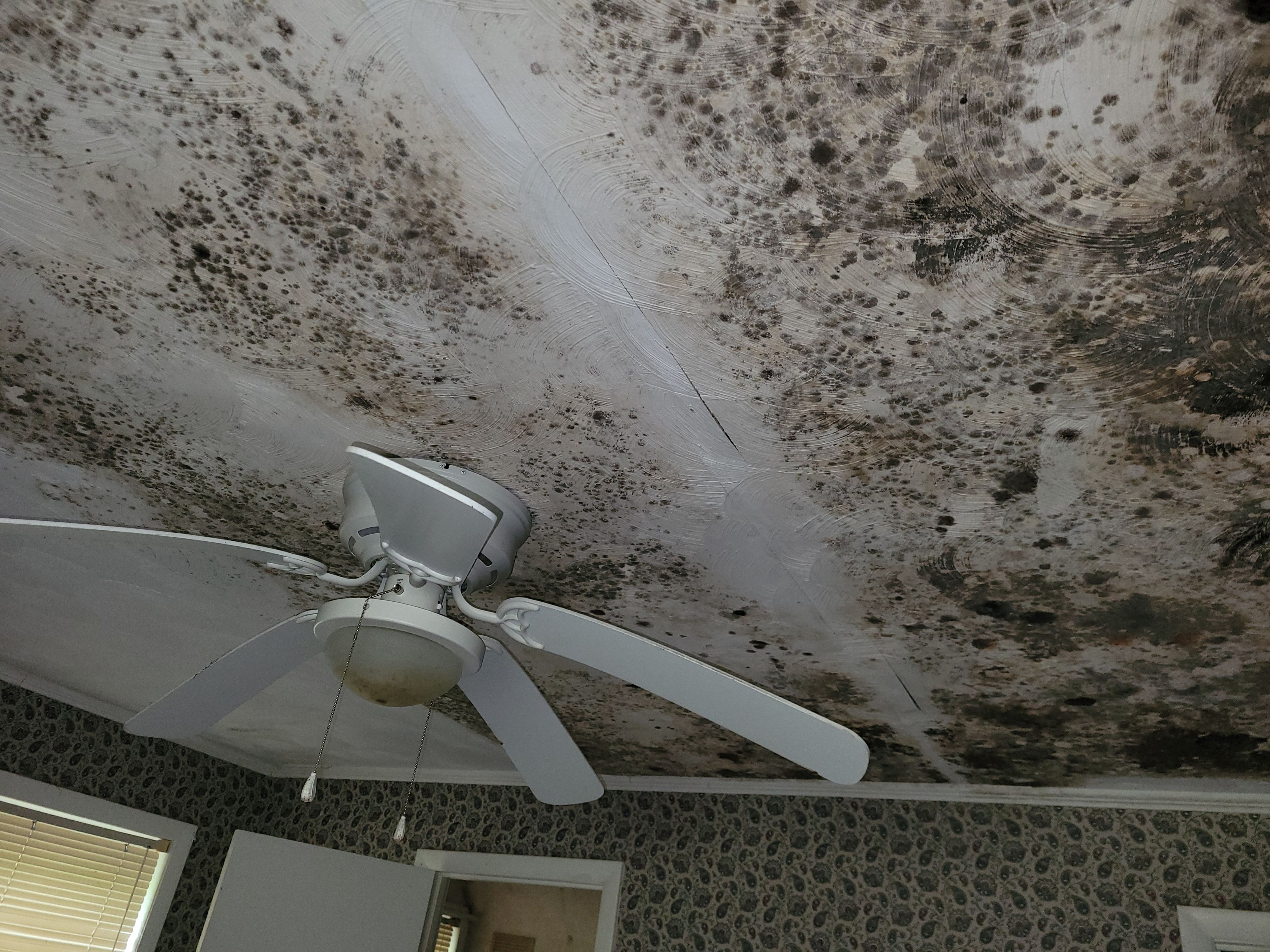
Does Homeowners Insurance Cover Mold?
Discovering mold in your home can be stressful enough without wondering how you're going to pay for mold testing, mold removal, and repairs. One of the first questions many homeowners and landlords ask is: "Will my homeowners insurance cover this?"
The honest answer is: it depends.
Insurance policies vary widely, and mold coverage often depends on what caused the mold in the first place. While some situations may be covered, others may not. Understanding the basics can help you make informed decisions—and more importantly, encourage you to address mold problems before they become even more expensive.
Does Homeowners Insurance Cover Mold?
Sometimes. Homeowners insurance may cover mold damage if it results from a covered peril that is sudden and accidental.
A covered peril is a specific event listed in your home insurance policy that causes damage. Examples might include:
A burst pipe
A sudden water leak from a household appliance
Certain types of accidental water damage
In these situations, mold remediation and repairs may be partially covered, depending on your policy's coverage limit and mold endorsement provisions.
However, every policy is different, so it's important to review your specific coverage with your insurance provider.
What Mold Situations Are Often Not Covered?
Mold caused by long-term moisture problems is frequently excluded from coverage.
Insurance companies often deny mold insurance claims when the mold is linked to:
Homeowner neglect
Lack of maintenance
Poor ventilation
A slow leak that went unrepaired
A leaky faucet
Missing gutters or damaged downspouts
Ongoing indoor humidity issues
Insurance carriers generally expect homeowners to perform routine home maintenance and address moisture control issues before they lead to larger problems.
What About Flooding?
Flood-related mold damage is often treated differently than other water losses.
Standard homeowners insurance policies typically do not cover flooding. In many cases, flood-related damage requires a separate flood insurance policy, often through the National Flood Insurance Program.
Even then, coverage details can vary. If your property has experienced flooding, standing water, or water intrusion from severe weather, it's important to review your policy carefully and speak with your insurance representative.
Should You File an Insurance Claim for Mold?
The answer depends on the cause and extent of the damage.
If mold resulted from a covered event, you may want to contact your insurance company promptly. They may send an adjuster to inspect the property and determine whether mold coverage applies.
If you plan to file a claim, it's helpful to:
Document the damage with photos and videos
Keep records of any water damage
Save receipts for emergency mitigation efforts
Avoid disturbing the affected area unnecessarily
A professional mold inspection can also provide valuable information about the extent of the mold problem and potential sources of moisture.
Why Early Detection Saves Money
The longer mold is allowed to grow, the more expensive it becomes to address.
What starts as a small moisture issue behind drywall can eventually spread into insulation, flooring, framing, crawl spaces, HVAC systems, and other areas of the home. Mold spores can travel through the air and affect multiple rooms, increasing both remediation costs and repair expenses.
Early detection can help:
Reduce mold remediation costs
Limit mold damage
Protect indoor air quality
Prevent structural deterioration
Avoid larger repairs later
In many cases, addressing a moisture problem early is far less expensive than dealing with widespread contamination.
Can You Test for Mold Yourself?
DIY mold tests often fail to provide the complete picture.
While at-home kits are available, they typically cannot identify hidden mold, determine the extent of contamination, or accurately assess indoor air quality. They also cannot identify the moisture source causing the mold growth.
Professional mold testing uses specialized equipment and laboratory analysis to provide reliable results. This allows homeowners to make informed decisions about mold removal and moisture control.
Don't Wait for Mold to Become a Bigger Problem
Whether your homeowners insurance ultimately covers mold or not, one thing is certain: waiting rarely makes the situation better. Mold tends to spread, damage building materials, and become more expensive to remediate over time.
In summary, mold coverage depends largely on the cause of the damage, your policy language, and whether the event is considered sudden and accidental. Because every situation is different, the best first step is understanding exactly what you're dealing with.
Astrid Environmental Services provides mold inspections, mold testing, mold remediation, and moisture control solutions throughout Wytheville and surrounding communities. If you suspect mold in your home or rental property, contact our team today to schedule an inspection and gain peace of mind before a small issue becomes a costly one.