
Mold vs. Mildew: How to Tell the Difference in Your Home
If you've noticed discoloration on a wall, a musty smell in your attic, or dark spots appearing in damp areas of your home, you may be wondering: Is it mold or mildew?
For homeowners and landlords in Wytheville, Virginia, understanding the difference between mold and mildew is important because both are signs of a moisture problem. However, they don't pose the same risks, and they don't require the same response.
The good news? With a little knowledge, you can identify warning signs early and know when it's time to call in the experts at Astrid Environmental Services.
What’s the Difference Between Mold and Mildew?
Mold and mildew are both types of fungus that thrive in moist environments, but they differ in appearance, growth patterns, and potential risks.
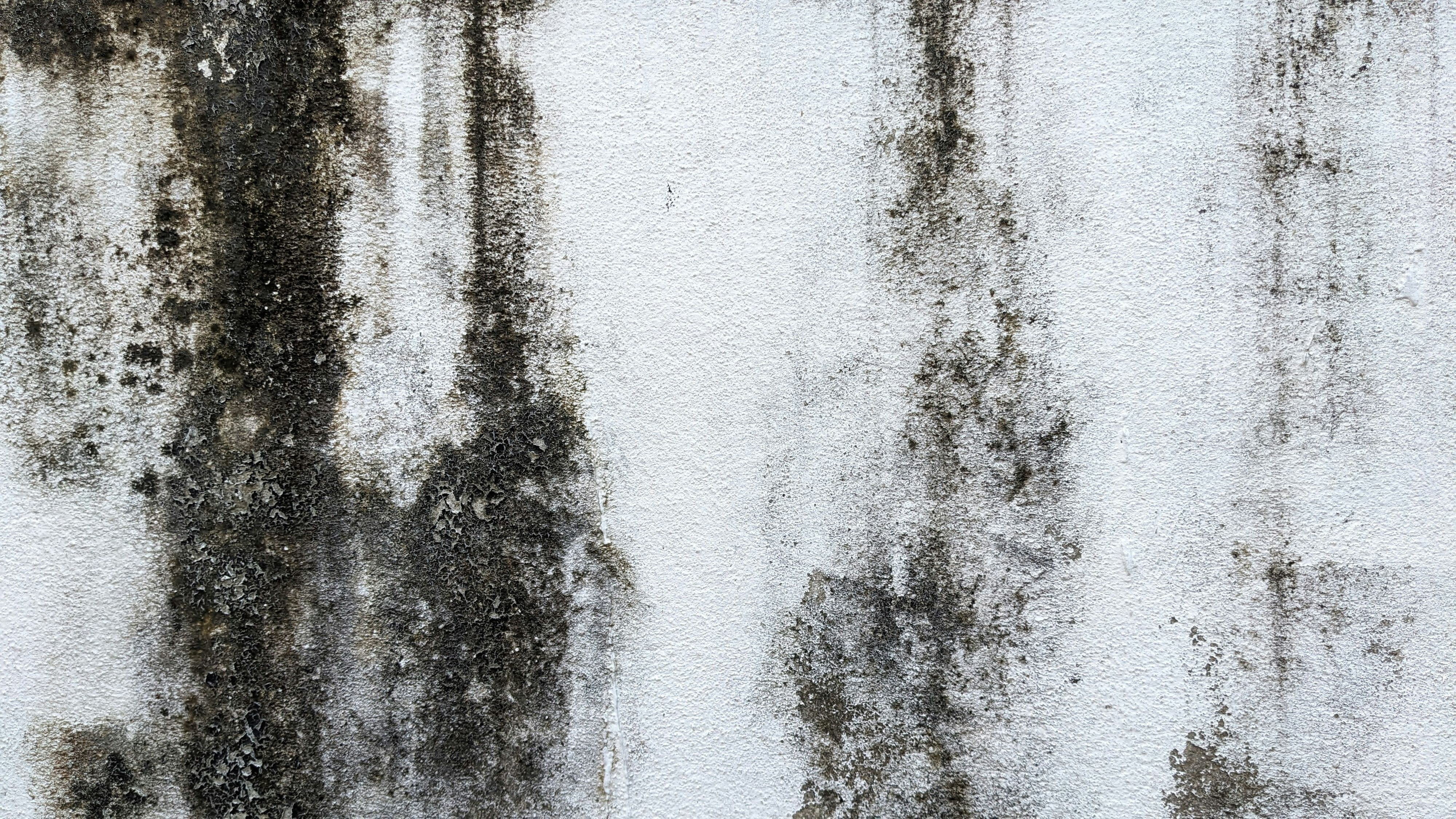
Mildew is typically a surface-level fungus that appears as a white, gray, or light brown powdery coating. Mold is often darker in color, fuzzier in texture, and can penetrate deeper into building materials.
Mildew growth is commonly found on:
Shower walls
Shower curtains
Windowsills
Laundry areas near a washing machine
Other damp surfaces
Mold growth is more likely to develop on:
Drywall
Wood framing
Attic sheathing
Crawl spaces
Basements
Areas affected by water damage
While mildew can often be cleaned from non-porous surfaces, mold frequently requires professional mold remediation because it spreads below the surface.
How Can I Tell If It's Mold or Mildew?
The easiest way to distinguish mold vs. mildew is by looking at the color and growth pattern.
Mildew usually appears flat and powdery. Mold looks fuzzy, slimy, or textured and often appears dark green, black, brown, or multiple colors.
Signs you may be dealing with mold include:
A persistent musty odor
Dark green or black discoloration
Growth that spreads outward in irregular patterns
Staining that returns after cleaning
Visible growth on drywall or wood
Certain species, including Stachybotrys chartarum (often called toxic black mold), can appear black, although not every black-colored growth is actually toxic black mold.
Why Does Mold Grow in Homes?
Mold grows when mold spores land on a damp surface that contains organic matter and sufficient moisture.
Common causes include:
Roof leaks
Plumbing leaks
Excess moisture in attics
Poor ventilation
Water damage
High indoor humidity levels
Inadequate exhaust fans in bathrooms and kitchens
Attic moisture is one of the most common causes of hidden mold growth in Virginia homes. When warm, humid air rises into the attic and becomes trapped, moisture can accumulate on wood surfaces, insulation, and roof sheathing.
Over time, that dampness creates ideal conditions for mold growth.
Can Mold Affect Your Health?
Yes. Mold exposure can contribute to a variety of health issues, especially for individuals with allergies, asthma, or weakened immune systems.
Common symptoms may include:
Allergic reactions
Respiratory issues
Sneezing and congestion
Sore throat
Eye irritation
Skin rashes
Headaches
Even if mold is hidden behind walls or above ceilings, mold spores can affect indoor air quality throughout the home.
The larger the affected area, the greater the potential for health concerns. The EPA recommends special precautions when mold growth exceeds approximately 10 square feet.
Can I Remove Mold Myself?
Small amounts of mildew on hard surfaces can often be cleaned, but mold removal is rarely a DIY project.
Many homeowners attempt to clean mold with bleach, but bleach does not always penetrate porous materials like drywall or wood. In some cases, improper cleaning can disturb mold spores and spread contamination to other areas of the home.
Professional mold remediation focuses on:
Identifying the source of moisture
Containing the affected area
Removing contaminated materials when necessary
Improving air quality
Preventing future mold growth
Simply cleaning visible mold without addressing the root cause often leads to recurring problems.
Where Should Homeowners Look for Hidden Mold?
Some of the most common locations for hidden mold include:
Attics with excess moisture
Basements
Behind drywall
Around windowsills
Near plumbing fixtures
Around HVAC equipment
A musty smell is often the first warning sign that hidden mold may be present.
Don't Ignore the Signs of Mold or Mildew
Mildew and mold are both indicators that moisture is present where it shouldn't be. While mildew is generally easier to address, mold can threaten your home's structure, indoor air quality, and the health of your family.
If you've noticed a musty odor, visible growth, recurring moisture issues, or signs of attic moisture, don't wait for the problem to get worse.
At Astrid Environmental Services, we provide mold inspections, mold testing, mold remediation, and moisture control solutions throughout Wytheville and surrounding communities.
In short: mildew is often a warning sign, mold is often a larger problem, and both deserve attention.
Contact Astrid Environmental Services today to schedule an inspection and learn what's really happening inside your home.